4 days · Showcase
Banarasi culture
Weaving houses, classical music evenings and old-city food walks.

Banarasi · Varanasi · 5 March 2026
In a Madanpura lane, the shuttle moves and a sari begins — Varanasi weaving as living heritage, not souvenir.
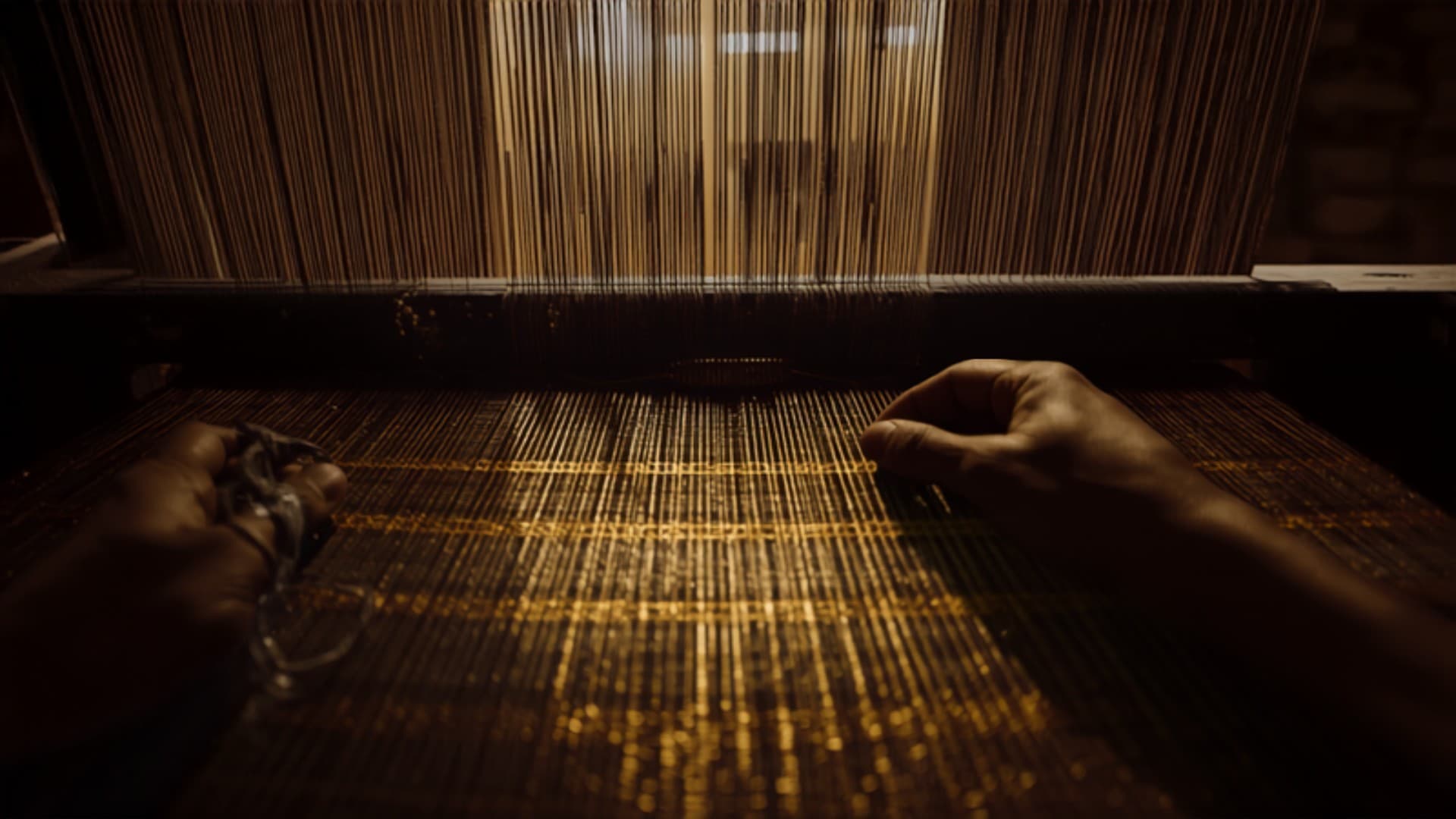
The loom room is hotter than the lane outside. A man on the pedal bar throws the shuttle — thuk — and the sound repeats until you stop counting. His boy hands him another bobbin of zari without looking up from homework on the floor.
Most visitors never see this room. They see the showroom sari under glass. That gap is the whole story.
Madanpura smells of oil and wool. Light comes in sideways. Dust hangs in the beam where real zari catches it — metal, not plastic shine. Nobody looks up when you enter. The work was here before you and will stay after you leave.

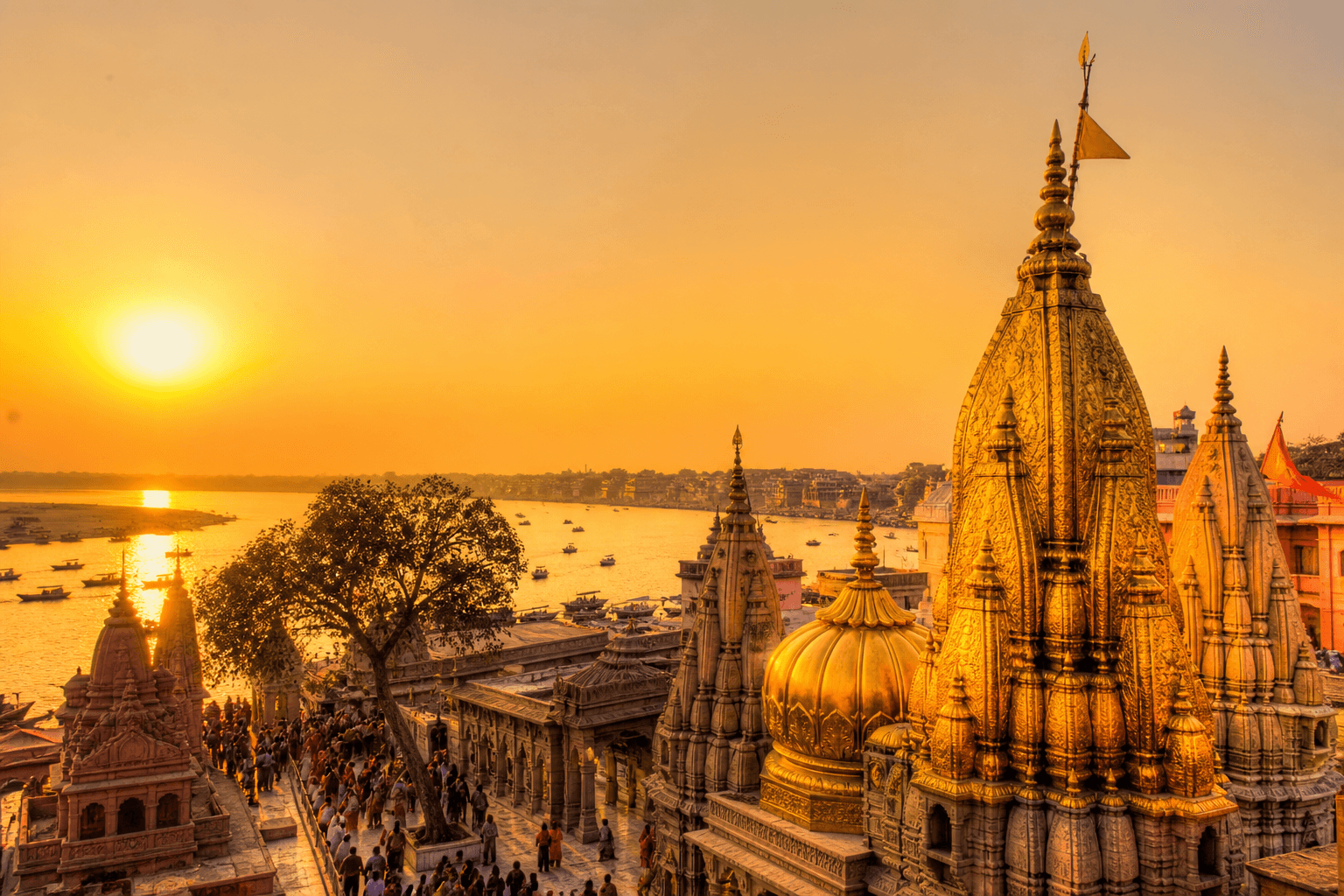
Varanasi did not become India's spiritual capital and forget its hands. The two identities braid together: pilgrims at Kashi Vishwanath in the morning, weavers in the afternoon, the same lanes carrying both footfall and freight.
A genuine Banarasi sari can take weeks — sometimes months — on a handloom. The motifs descend from Mughal gardens and temple borders; the zari is real metal thread, not plastic shine. When you understand the hours in a single pallu, the price stops feeling like negotiation and starts feeling like arithmetic.
That is heritage as labour, not museum label. The UNESCO recognition matters because it names what locals already knew: this craft is endangered by power looms and middlemen, and the people who keep it alive deserve witnesses, not bargain hunters.
Stand close enough to see the weaver's eyes move between pattern and shuttle. You may feel an odd humility — the opposite of tourist entitlement. You are watching concentration so complete it resembles prayer.
The room smells of oil and wool. Somewhere a radio plays softly; somewhere else, only the loom speaks. Time here is measured in centimetres of cloth, not in minutes on a phone screen. When a motif finally resolves — a bel of flowers, a border of temple arches — the weaver does not celebrate. He simply continues. That continuity is the heritage UNESCO named.
Ask questions if invited. Do not touch the loom without permission. Buy from the workshop or a trusted cooperative when you buy at all; the market outside is full of machine-made cloth sold with a Banarasi story.
Our silk weaving tour routes you to working units where explanation comes from people who weave, not people who only sell. That distinction is everything in Kashi.

Power looms can copy the look in days. Photographs on hotel walls rarely show the difference. Your eye learns slowly: real zari catches light like metal because it is metal; synthetic shine flattens under afternoon sun.
Supporting handloom is not charity. It is choosing which city you want to exist in ten years — one where Madanpura lanes still click, or one where only showrooms remain. When you spend here, ask where the cloth was woven. If the answer is vague, walk on.
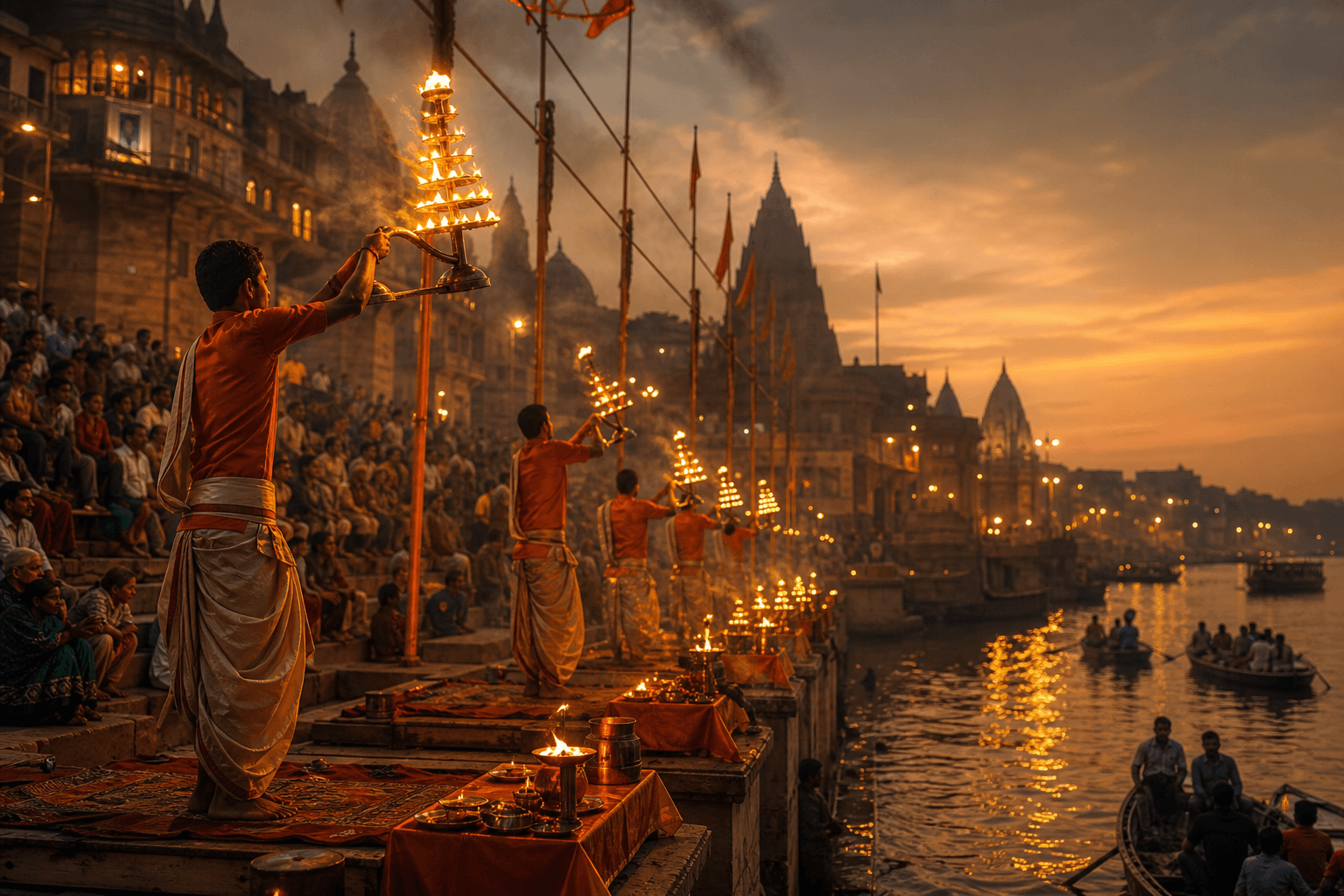
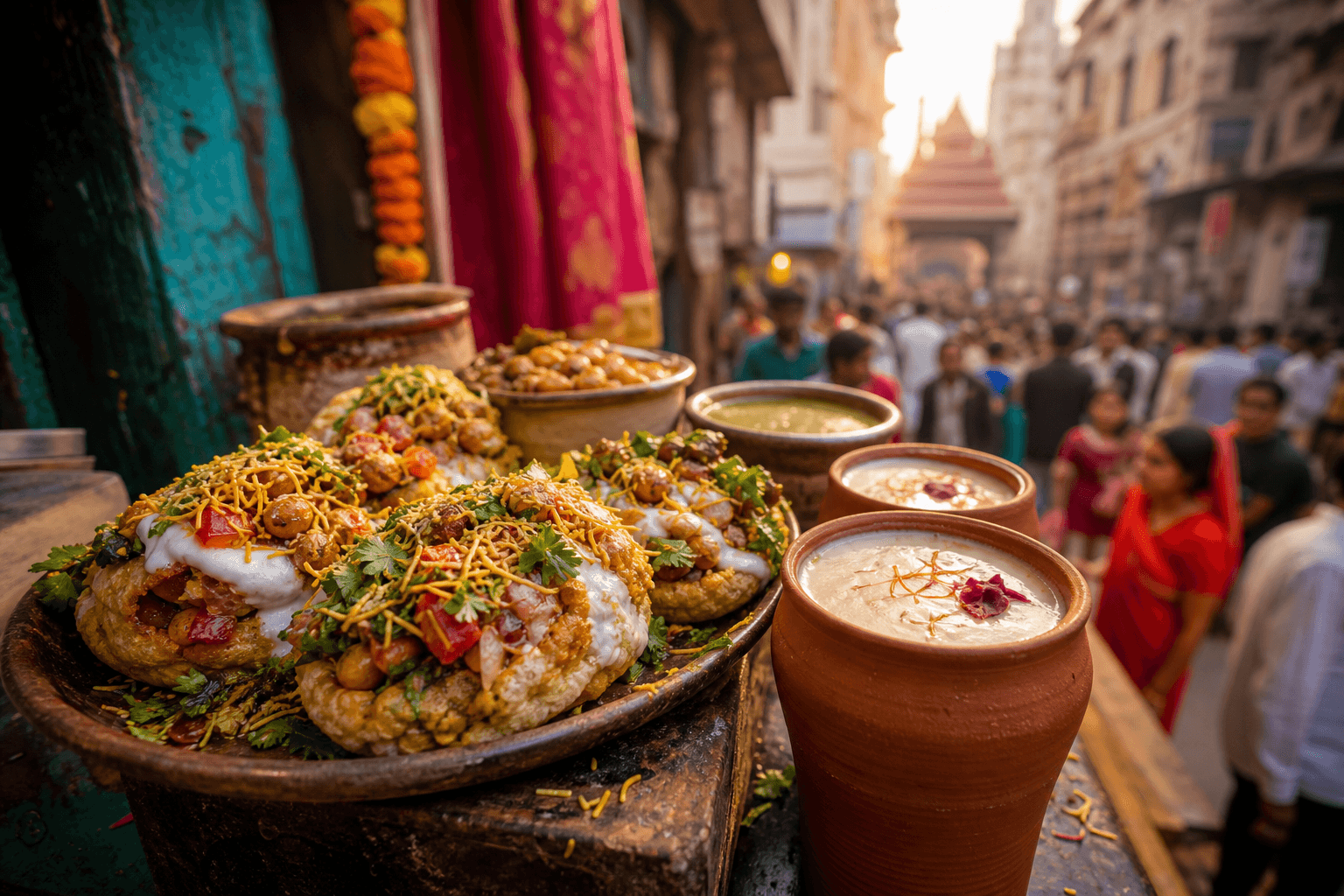
Pair the loom with the old city's food lanes and an evening at the ghats. Banaras is not a single-note destination — it is texture, taste, smoke, and thread.
The Banarasi culture package sequences weaving with food walks and aarti so you leave with more than a shopping bag: you leave understanding why the sari and the shrine share a city.
You do not need to purchase to respect the craft. You need to see it once with your own eyes — then you will never confuse the real thing with the market copy.
When you are ready to walk Madanpura with someone who knows which doors are open, plan your trip and we will thread craft into your Kashi days.
Continue the circuit
4 days · Showcase
Weaving houses, classical music evenings and old-city food walks.
From this story
Weaving houses, classical music evenings and old-city food walks. Save the story if you are not ready — or open the package and enquire.
More from the circle
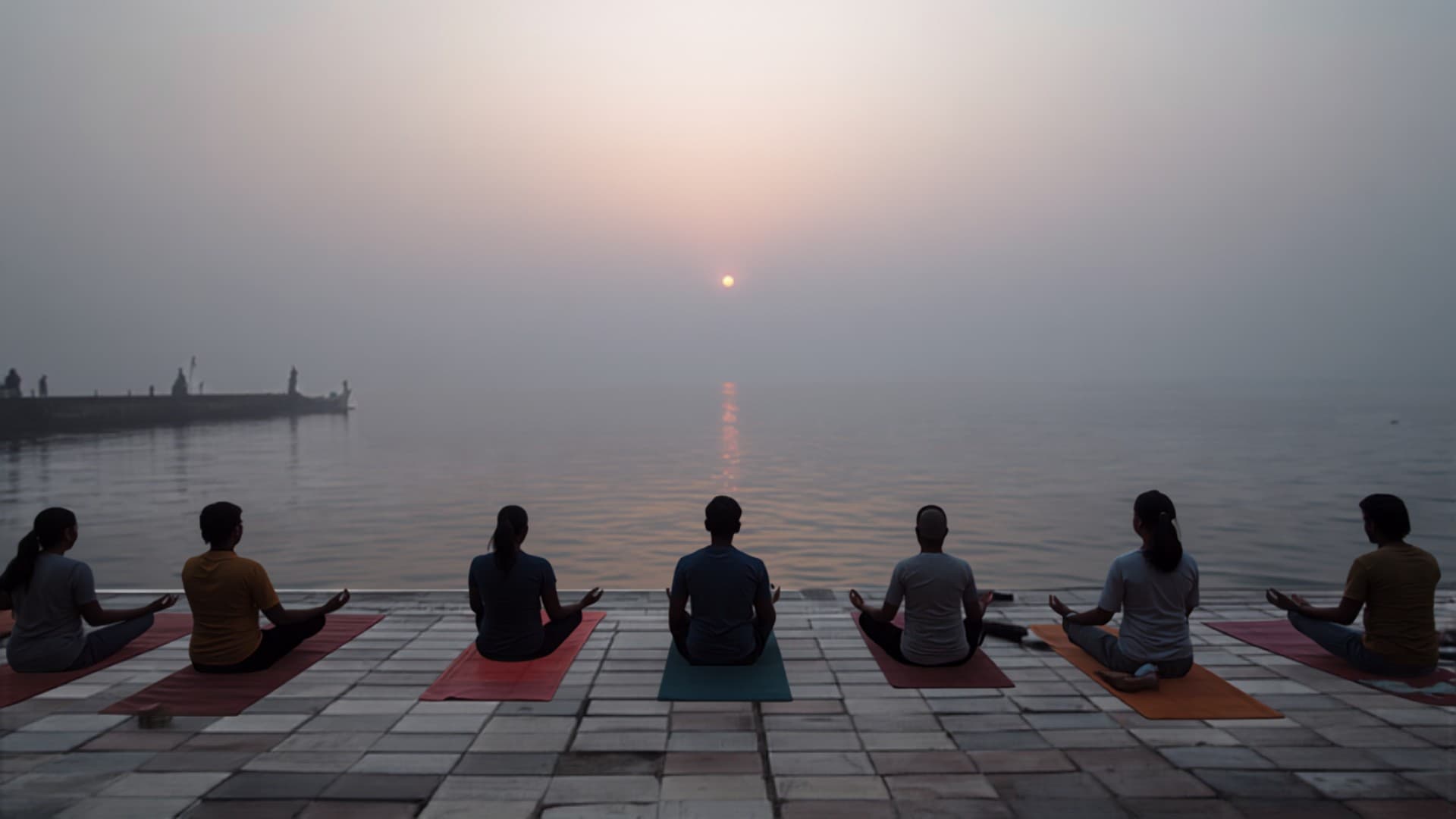
Heal · Varanasi
Yoga, mantra and river mist at Assi — the city's public morning before the lanes explode.
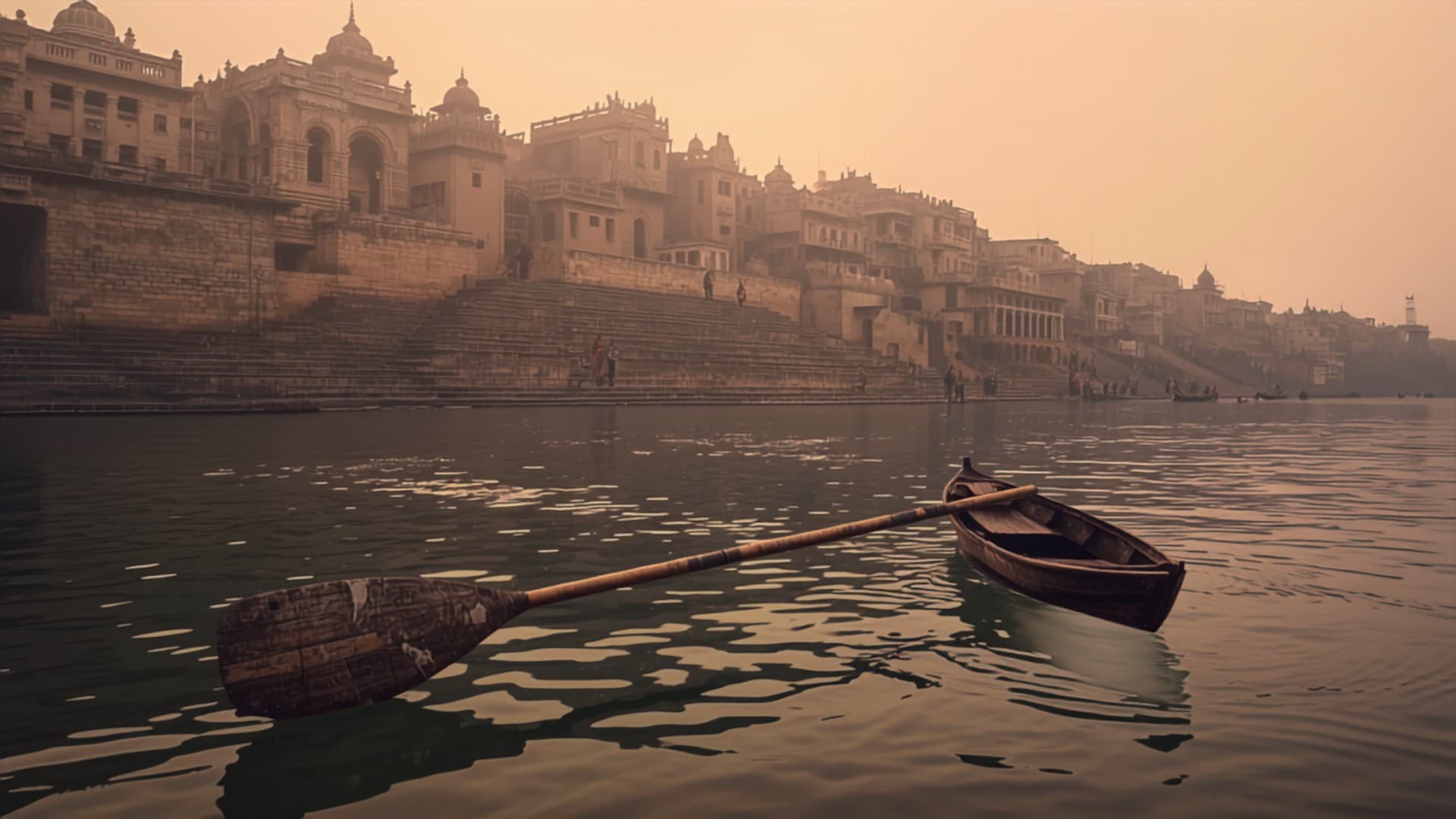
Moksh · Varanasi
From Assi to Raj Ghat by boat — how to read Varanasi's eighty-four landings as a single geography of faith.
Places in this story
linked stops on the circuit
Add featured places from this story to your bucket list — save now, go later.
Sign in to add 2 places